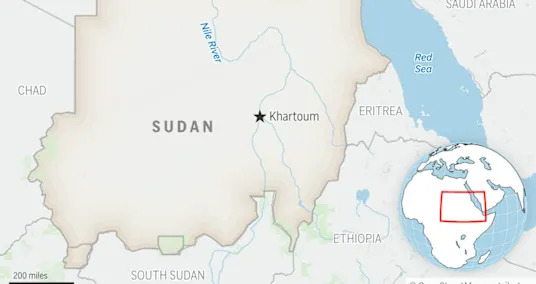
A massive dust storm, or haboob, swept across the Sahara Desert from western Algeria into Mauritania, Morocco, Western Sahara and the Canary Islands on March 30. The dust stretched for more than 1,000 miles.
As meteorologists observed the dust storm from space via weather satellites, social media users captured the incoming dust storm on camera. One video shows a thick wall of dust and sand moving toward a resident of the town of Tindouf, near the Mauritanian, Western Saharan and Moroccan borders.
How does the dust affect tropical storms in the Atlantic?
While this storm didn't make it too far off the coast, significant amounts of dust can drift westward from Africa across the Atlantic beginning in May. This can inhibit tropical storm formation, or the strengthening of an existing system, because the dusty air has about 50% less moisture than the typical tropical atmosphere.
Strong winds in the dust layer can also substantially increase the vertical wind shear in and around the storm environment, potentially disrupting any storm that forms.
latest_posts





 My skin feels drier, my lips thinner and my makeup heavier. How do I adjust my routine for aging skin?
- We may be witnessing the messy death of a star in real time
- Inn The executives: A Remunerating Profession Decision for Energetic People
- Sexual violence is being used as a weapon in Sudan's war, doctors group says
- Mom finds out she has cancer after noticing something was off while breastfeeding
- Sahel coups push Africa to top of global democratic declines, report finds
- Nitty gritty Manual for Picking Agreeable Tennis shoes
- 10 Activities to Lift Your Consume and Bust Your Stomach
- FDA approves Wegovy pill for weight loss: What to know