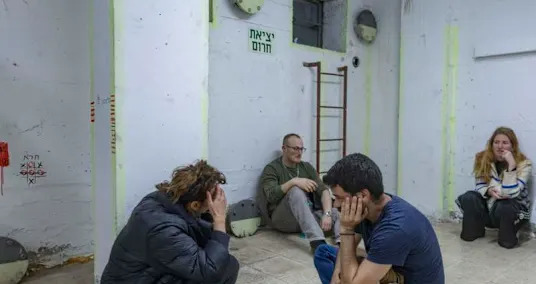
The data reflects the feelings of the young people participating in the survey, but paints a worrying picture that is mirrored in Aluma’s ongoing work in the field.
Amid the ongoing war and the upheaval it creates in everyday life, the Aluma organization, which works to expand mobility among young people in Israel and to provide support at life's crossroads of service, education, and employment, conducted an internal survey among 237 young men and women it supports. The results point to a severe and deepening crisis beneath the radar.
The data reflects the feelings of the young people participating in the survey, but paints a worrying picture that is mirrored in Aluma’s ongoing work in the field.
According to the data and Aluma’s work, many young people feel that the government does not see them and does not provide a sufficient response to their needs.
Only 3% of respondents felt that the state cares about the future of young people in Israel, whereas 74% stated that they feel that the state does not see them and does not care about their future at all, or only to a small extent.
The main impact is in the field of education, according to Aluma’s findings, with 64% of young people reporting damage or freezing of their academic plans due to the war, and 45% listed education as their primary concern.

About a quarter of those surveyed stated that they are especially worried about their economic situation.
Growing instability, diminishing optimism
At the same time, the feeling of instability is growing. A majority of the young people surveyed, 57%, reported uncertainty as a description of their feelings about their future in Israel. Only 30% felt optimistic about their future in Israel.
The potential consequences of the situations are already visible, with about 30% of young people surveyed having thought about or considered leaving Israel for an extended period, with 9% of them seriously considering or planning to leave.
Dr. Tami Halamish Eisenman, CEO of Aluma, said that "the young people we meet every day are at the very turning points of their lives - after military service, at the beginning of their studies, on the path to independence. The war caught them there, and we see the impact.”
“As in any crisis, they are the first to be affected and among the last to be talked about. This survey does not surprise us; it confirms what we hear from the field,” Eisenman said.
"The question is not whether there is a problem, but when we start addressing it. Without focused attention, we may find ourselves in a few years with much deeper gaps."
latest_posts
- 1
 Merz visit highlights new strategic, and strained, Germany-Israel bond
 - 2Dancing through the crackdown: The satirical song soundtracking post-Khamenei Iran
- 3Black Friday streaming deals 2025: Grab the Disney+ Hulu bundle for only $5 and save over 60%
- 4Instructions to Decide the Best SUV Size for Seniors
- 5NASA funds new tech for upcoming 'Super Hubble' to search for alien life: 'We intend to move with urgency'




- Clones of Stumpy, Washington D.C.'s beloved cherry blossom tree, have flowered for the first time
- Find the Marvels of the World with These Travels
- Oprah Winfrey's Favorite Wellness Destination Is A Luxurious Italian Retreat
- What to know about MIT professor Nuno Loureiro and the investigation into his shooting
- Independence from the rat race: How to Save and Contribute Shrewdly
- Avoid Large Crowds In Bali & Swim At This Peaceful Waterfall With A Gorgeous, Natural Pool
- The most effective method to Decisively Use Open Record Rewards
- Midlife weight gain can start long before menopause – but you can take steps early on to help your body weather the hormonal shift
- 'We need everyone,' wounded reservist urges Knesset panel to advance haredi draft law