When you buy through links on our articles, Future and its syndication partners may earn a commission.

Celestron NexStar 8SE

The Celestron NexStar 8SE is a great choice for exploring both the moon and the planets of the solar system beyond in exquisite detail. For a more detailed look, you can check out our Celestron NexStar 8SE review too.
Don't miss Jupiter shining close to the waning gibbous moon among the stars of the constellation Gemini on the night of Dec. 7.
The 83%-lit moon will rise roughly three hours after sunset on the night of Dec. 7, with Jupiter shining less than five degrees to its upper right — roughly the width of your three middle fingers held at arm's length against the sky.
Jupiter and the moon will reach their highest point in the early morning hours of Dec. 8, when they will appear almost overhead in the southern sky, with the bright stars Castor and Pollux — which represent the heads of the twins in the constellation Gemini — sparkling above the pair.
Both solar system objects will make for spectacular naked eye targets on the night of Dec. 7-8, though a modest backyard telescope with an aperture of at least 4-Inches will help reveal the complex cloud bands and storms raging in Jupiter's upper atmosphere. You may also be able to spot the four star-like points of light representing the Galilean moons Ganymede, Io, Europa and Callisto arrayed around the gas giant's colossal disk.

Tear your telescope away from Jupiter's majestic form and point it at the moon to catch a sight of mighty Tycho Crater scarring the lunar surface — a potent reminder of the incredible violence that wayward asteroids can wreak on the worlds of our solar system, including Earth.

Tycho is estimated to be just 108 million years old, making it a baby compared to the 3.9-billion-year-age of some of the most venerable lunar craters.
Want to get a closer look at the menagerie of worlds orbiting the sun? Then be sure to check out our roundups of the top telescopes and binoculars available in 2025. You may also want to peruse our guide to the best cameras and lenses for exploring the night sky.
Editor's Note: If you would like to share your photo of the moon and Jupiter with Space.com's readers, then please send your photo(s), comments, and your name and location to [email protected].
latest_posts
- 1
 Explainer-What Novo Nordisk's weight-loss pill approval means for company, patients
 - 2Russia’s New KVS Drone May Be Designed To Restore Reach In The FPV War
- 3A Manual for Pick Dependable Vehicle Rental Administrations For 2024
- 46 Home Cleaning Administrations to Keep Your Home Unblemished
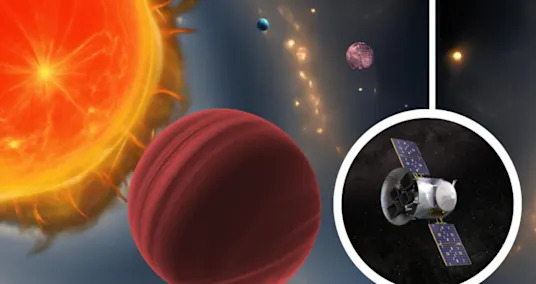
- 5100 new alien worlds: Scientists find hidden haul in data from NASA exoplanet-hunting spacecraft




- Italy Brings In New Measures In 2026 To Tackle Overtourism
- Astronauts head home early after medical issue
- How to watch Dick Clark’s New Year’s Rockin’ Eve with Ryan Seacrest: Start time, TV channel, performers and more
- Doctors seek to understand why quitting antidepressants causes withdrawal for some
- Inconceivable Spots To Stargaze All over The Planet
- This St Nick Truly Can Advise How To Drink And Hack Your Headache
- U.S. overhauls childhood vaccine schedule, recommends fewer shots
- Manual for Financial plan Agreeable PC
- Dominating Capable Mastercard Utilization: Key Contemplations